



15.07.2026

The 7 Most Common Mistakes When Installing a Wooden Pool and How to Avoid Them

Proper installation of a wooden pool has a direct impact on the durability of the structure, the efficiency of the installation team, and the number of future service requests.

In practice, most post-installation issues are caused by small assembly mistakes that can easily be avoided with the right approach and attention to detail. Below, we highlight the most common installation errors and provide practical tips to help ensure a smooth installation process and long-term pool performance.
Improperly Prepared Base

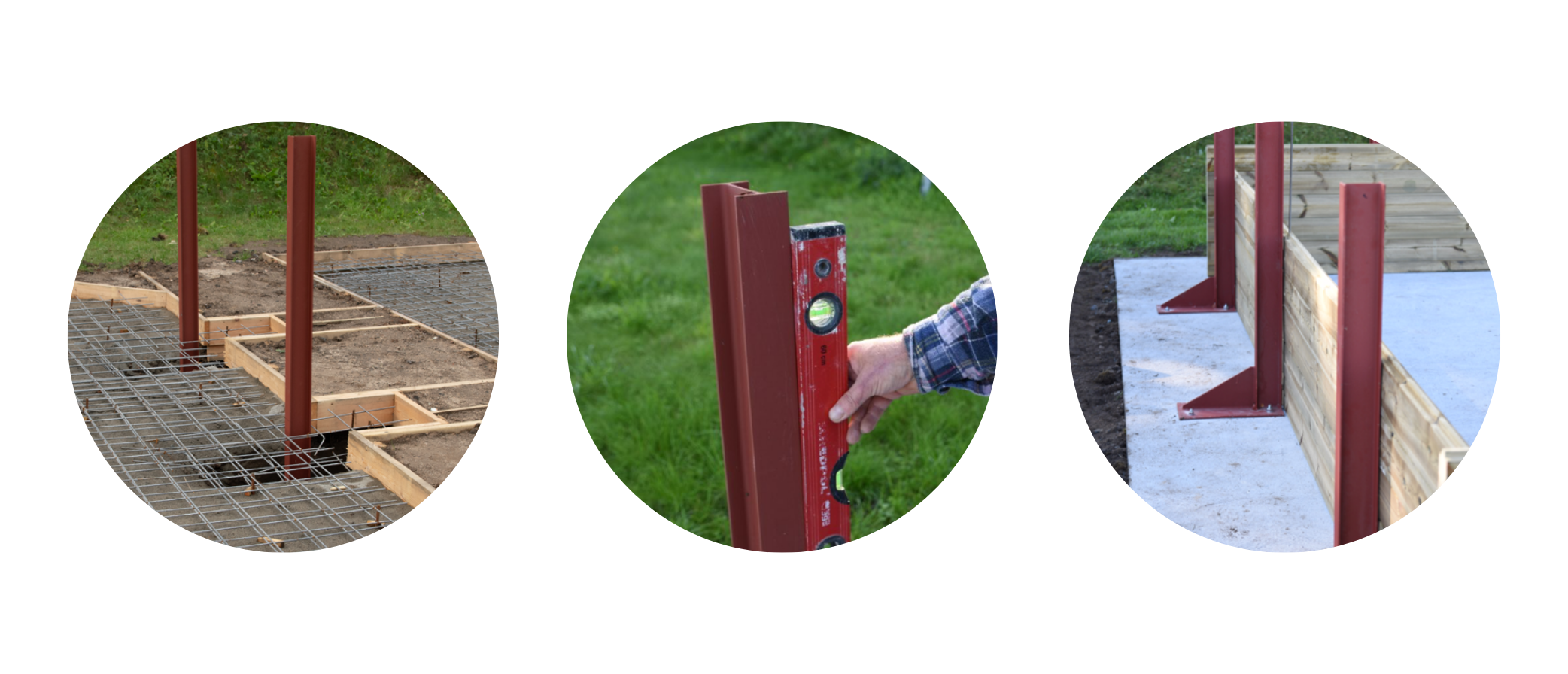
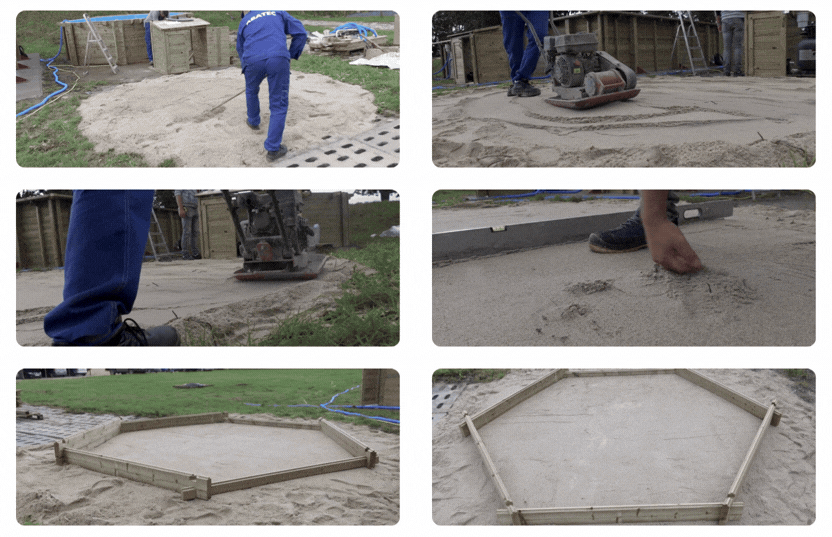
A stable and perfectly level base is the foundation of every successful pool installation. Uneven or unstable ground can lead to structural issues and affect the overall geometry of the pool. For pools without steel supports, the quality of the base directly determines the stability of the entire structure.

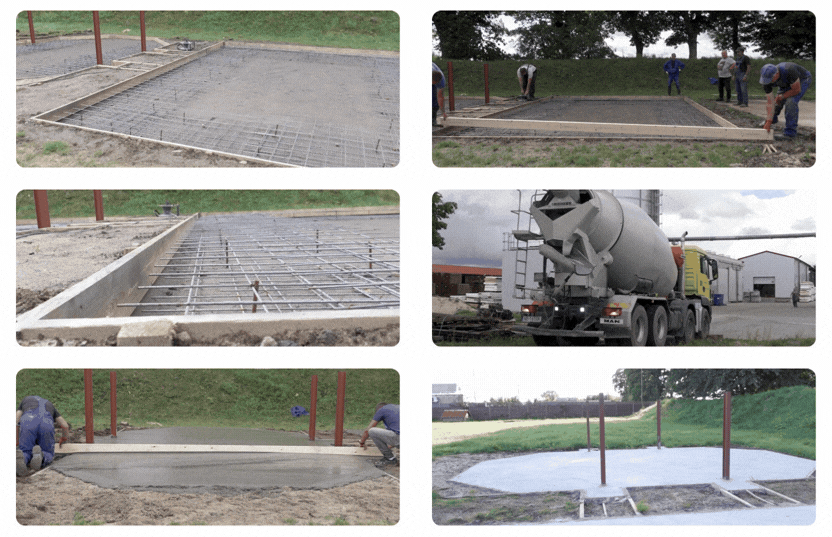
Models equipped with steel supports require a properly constructed concrete slab that meets the manufacturer’s installation guidelines and technical requirements.

Potential Consequences

-wall misalignment,
-improper support performance,
-difficulties fitting structural elements,
-reduced long-term stability,
-additional corrective work after installation.

Incorrect Positioning of Structural Supports

Structural supports are responsible for transferring the loads acting on the pool structure. Even small deviations can cause wall movement once the pool is filled with water. Particular attention should be paid to:

-maintaining a 90° angle to the base,
-regularly checking the level during installation,
-properly tightening the anchors,
-ensuring a stable and correctly prepared concrete foundation.

Important to Remember

Water pressure places significant stress on the structure. Even minor support misalignment may affect wall positioning and the overall stability of the pool. When the installation has been carried out correctly, some elements may naturally settle into their final position after the pool has been completely filled with water.

Failure to Check Diagonals and Level Throughout Installation

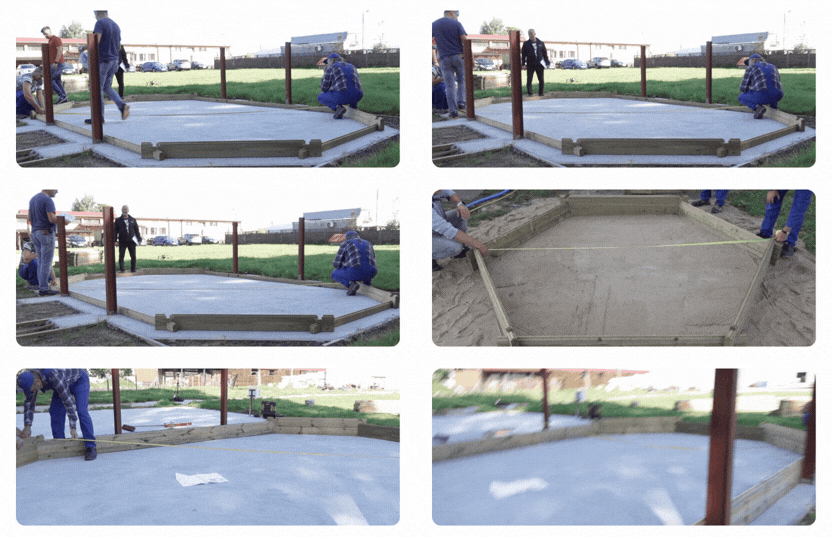
One of the most important stages of pool assembly is checking the diagonals from the very first layers of the structure. Even minor deviations at this stage can later affect:

-liner fitting,
-deck installation,
-wall stability,
-the overall appearance of the finished pool.

Important to Remember

Regularly checking the diagonals and maintaining the correct level throughout every stage of installation helps ensure proper assembly and long-term structural stability.

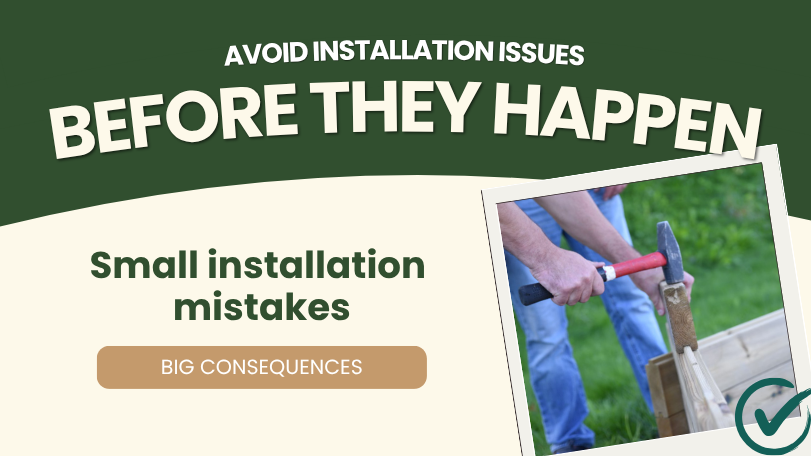
Installation Without Using a Tapping Block

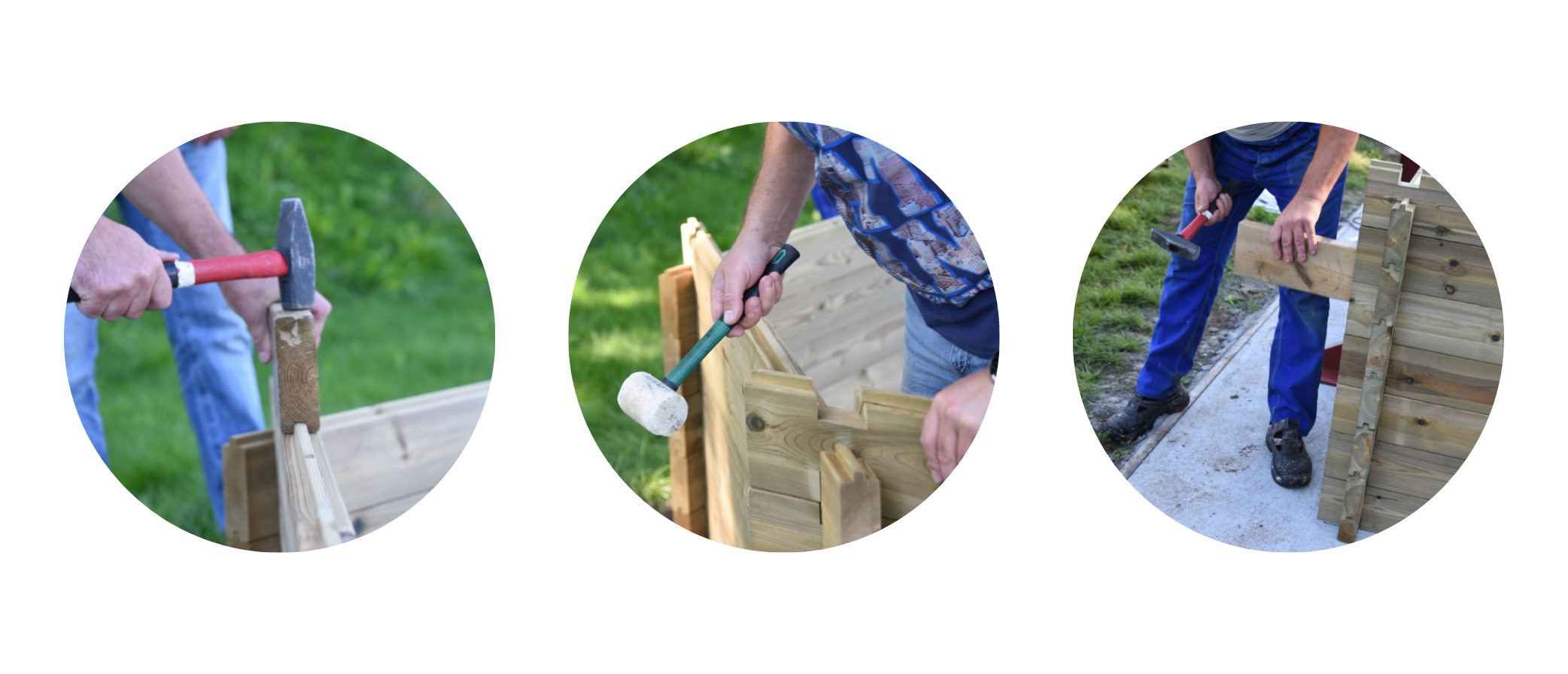
The tongue-and-groove boards used in the pool structure should never be struck directly with a hammer. During installation, always use:

-the wooden tapping block included in the package,
-a rubber mallet,
-even pressure when fitting structural elements together.

Why Is This Important?

Damaged or poorly fitted joints may result in:

-gaps between boards,
-difficulties aligning the walls,
-structural misalignment,
-additional corrective work during installation.

The tapping block can also be used to adjust and level individual elements during assembly, helping compensate for minor dimensional differences caused by the natural properties of wood.

Incorrect Installation of Wooden I-Beam Covers

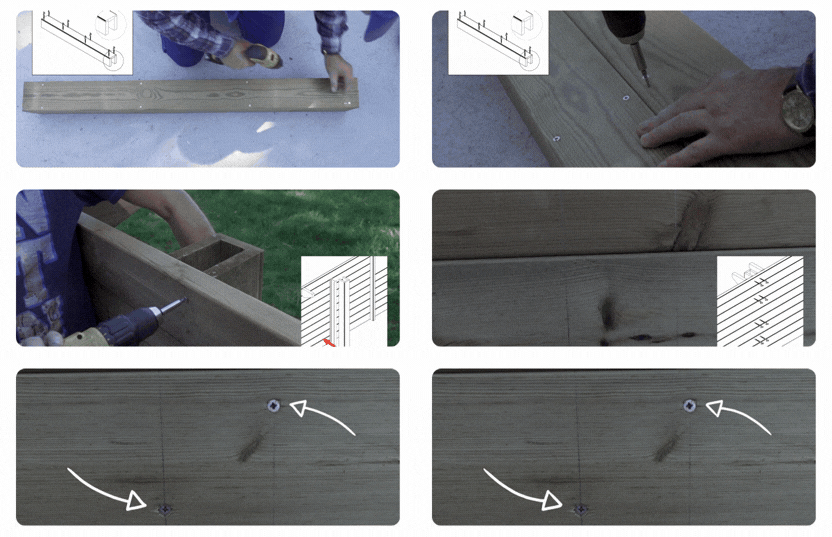
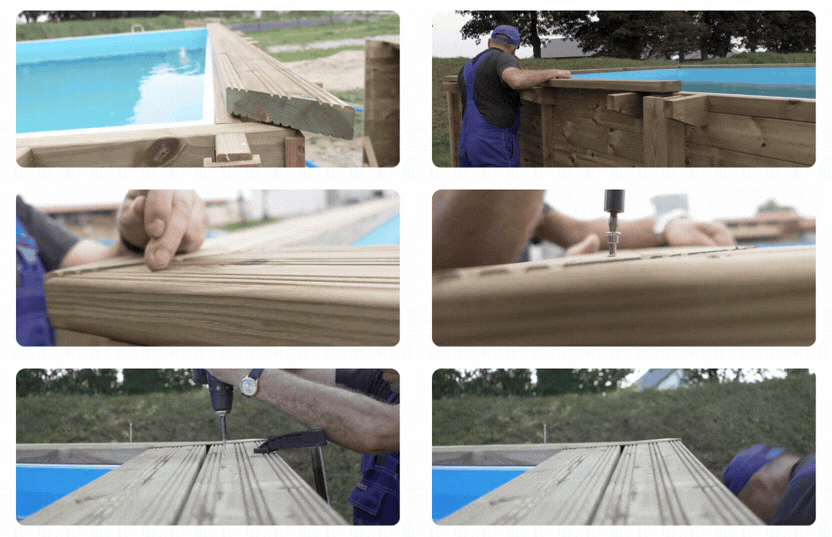
Pools equipped with steel supports use wooden covers to conceal the steel elements and preserve the natural wooden appearance of the structure. One of the most common mistakes is incorrect screw placement.

Installation Tip

Screws should be installed:

-in a staggered (diagonal) pattern,
-as close as possible to the board edges,
-evenly along the entire length of the cover.

Important to Remember

Proper screw placement distributes pressure more evenly, improves fastening stability, and reduces the risk of cracking or damaging the wooden components.

Incorrect Liner Installation

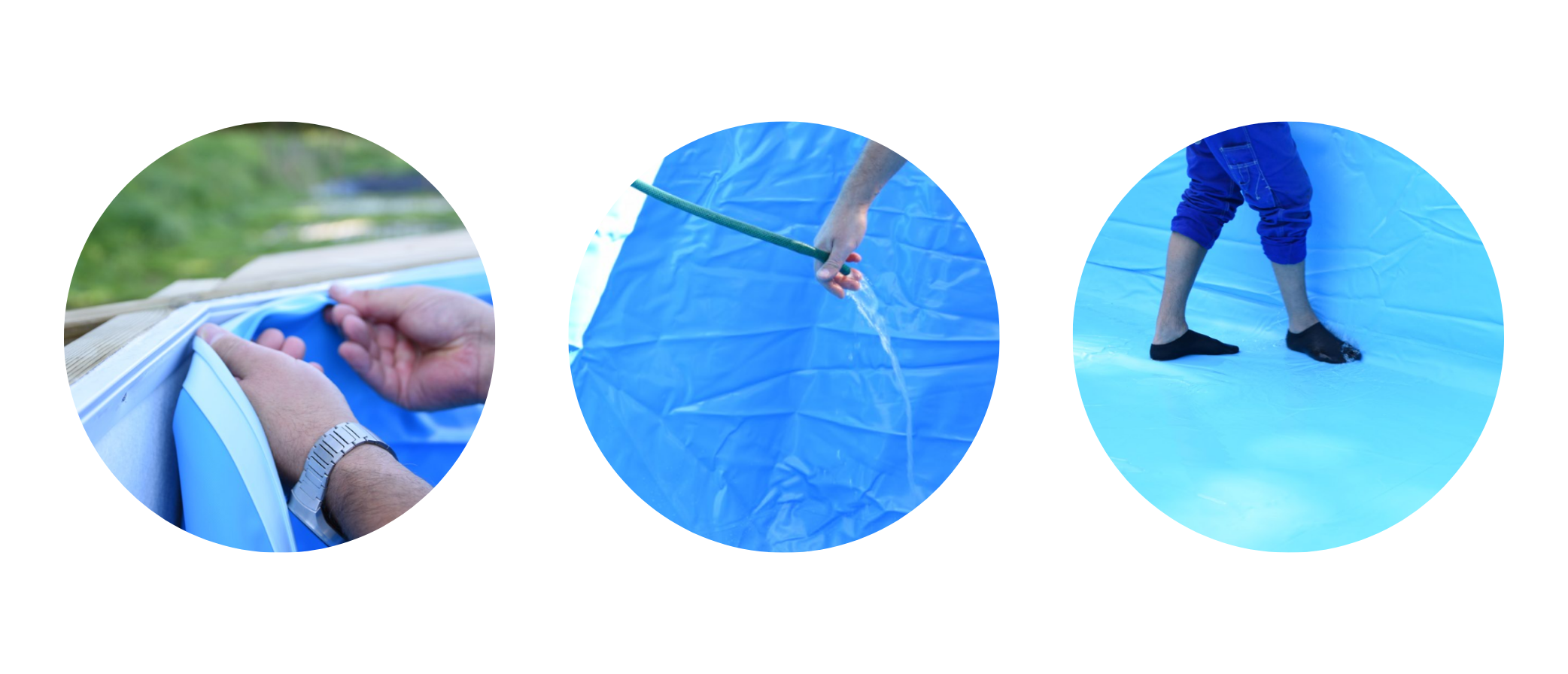
The liner is responsible for the pool’s watertightness and must be installed with particular care. Installation should begin at the pool corners and then gradually continue along the remaining walls of the structure.

Common Mistakes

-using sharp tools while unpacking the liner,
-installing the liner around the pool instead of starting from the corners,
-overtightening PVC profile screws,
-failing to smooth and adjust the liner while filling the pool.

Potential Consequences

-excess liner material at the final wall,
-uneven liner tension,
-wrinkles and surface irregularities,
-increased risk of damage during use.

Important to Remember

The liner should be evenly adjusted while filling the pool with water. This allows natural wrinkles and material deformations to be gradually removed, ensuring proper positioning inside the structure.

Premature Installation of Deck Boards

One of the most common installation mistakes is fitting the deck boards before the pool has been completely filled with water. Water pressure stabilizes the structure and allows it to settle into its final position. Installing the decking too early may affect the fit of the components and the final geometry of the terrace.

Important During Installation

-maintain proper spacing between deck boards,
-avoid installing boards tightly against one another,
-ensure correct positioning of all decking components.

Important to Remember

Wood is a hygroscopic material, meaning it naturally expands and contracts in response to changes in moisture and temperature. Proper expansion gaps are essential for the long-term performance of the deck.

Conclusion

Most issues that arise during the lifetime of a wooden pool can be traced back to installation mistakes made at the very beginning of the project. Careful base preparation, accurate support positioning, regular diagonal checks, proper liner installation, and correct installation sequencing all contribute to a durable, stable, and visually appealing pool.

Attention to detail during installation not only improves the final result but also helps reduce service interventions and ensures years of trouble-free enjoyment for the end customer.


Add comment

Abatec - UE

By continuing to use this website, you agree to the use of cookies cookie policy.

The cookie settings on this website are set to "allow cookies" to give you the best browsing experience possible. If you continue to use this website without changing your cookie settings or you click "Accept" below then you are consenting to this.

Close